
Does your skin feel inexplicably tight and itchy the moment you step out of a hot shower, leaving you reaching for the lotion bottle before you’ve even dried off? You might be blaming the weather or your soap, but the invisible culprit is often the residual chlorine and harsh minerals lurking in your municipal water supply. Here is the deal: these chemical disinfectants, while necessary for transport, strip your body of its natural oils and can turn your daily hygiene routine into a source of irritation. A high-quality shower filter is the engineered solution designed to neutralize these threats, providing a simple yet powerful barrier that restores the purity of your water and the health of your skin.
1. Do shower filter systems actually improve water quality?
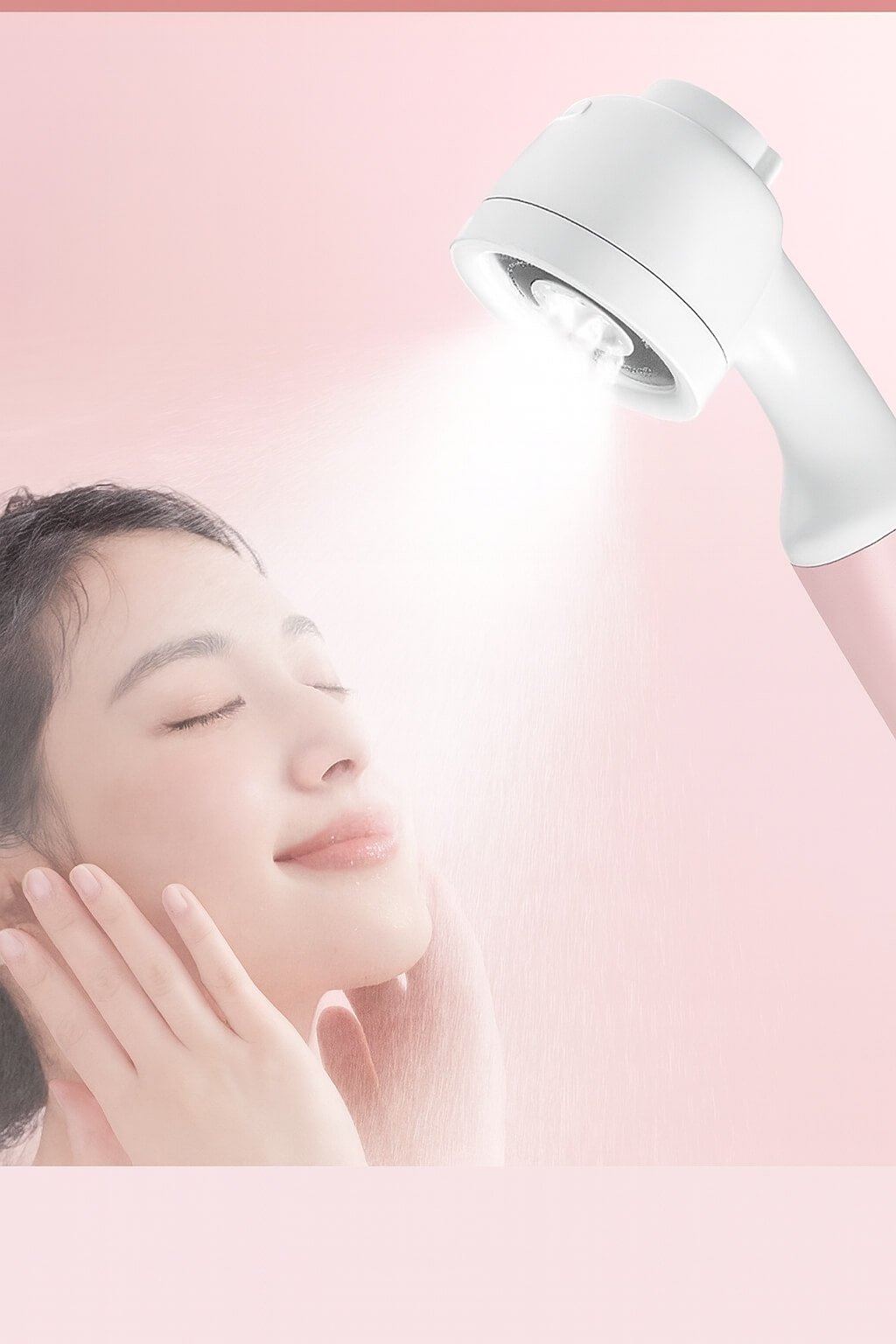
Yes, a shower filter significantly improves water quality by targeting specific chemical contaminants that are detrimental to human skin and lungs. While municipal treatment plants do an excellent job of ensuring water is pathogen-free, the chlorine used in this process remains active until it hits your tap. When you shower, this chlorine not only touches your skin but also vaporizes in the steam, which you then inhale. You might be wondering, is the exposure really that significant? Studies suggest that we absorb as much chlorine during a 10-minute shower as we do drinking eight glasses of the same water, making point-of-use filtration a critical health investment.
The efficacy of these devices lies in their ability to convert harmful free chlorine into harmless chloride salts through a chemical redox reaction. This process happens instantaneously as water passes through the filter media, ensuring that the water cascading over you is chemically gentler. Users often report an immediate difference in the water’s scent—the “swimming pool” odor vanishes—and a noticeable improvement in lathering performance from soaps and shampoos.
Targeting chlorine reduction
- Neutralizes oxidizers: Rapidly breaks down chlorine molecules.
- Reduces inhalation risks: Prevents the formation of chloroform gas in steam.
- Preserves natural oils: Stops the stripping of sebum from skin and hair.
| Feature | Unfiltered Shower | Filtered Shower | |
|---|---|---|---|
| Chlorine Content | High (Residual) | Reduced (up to 99%) | |
| Odor | Chemical/Pool-like | Neutral/Fresh | |
| Skin Feel | Dry/Tight | Soft/Hydrated | |
| Vapor Safety | Potential VOCs | Minimal VOCs |
2. How does the shower filter technology function inside?
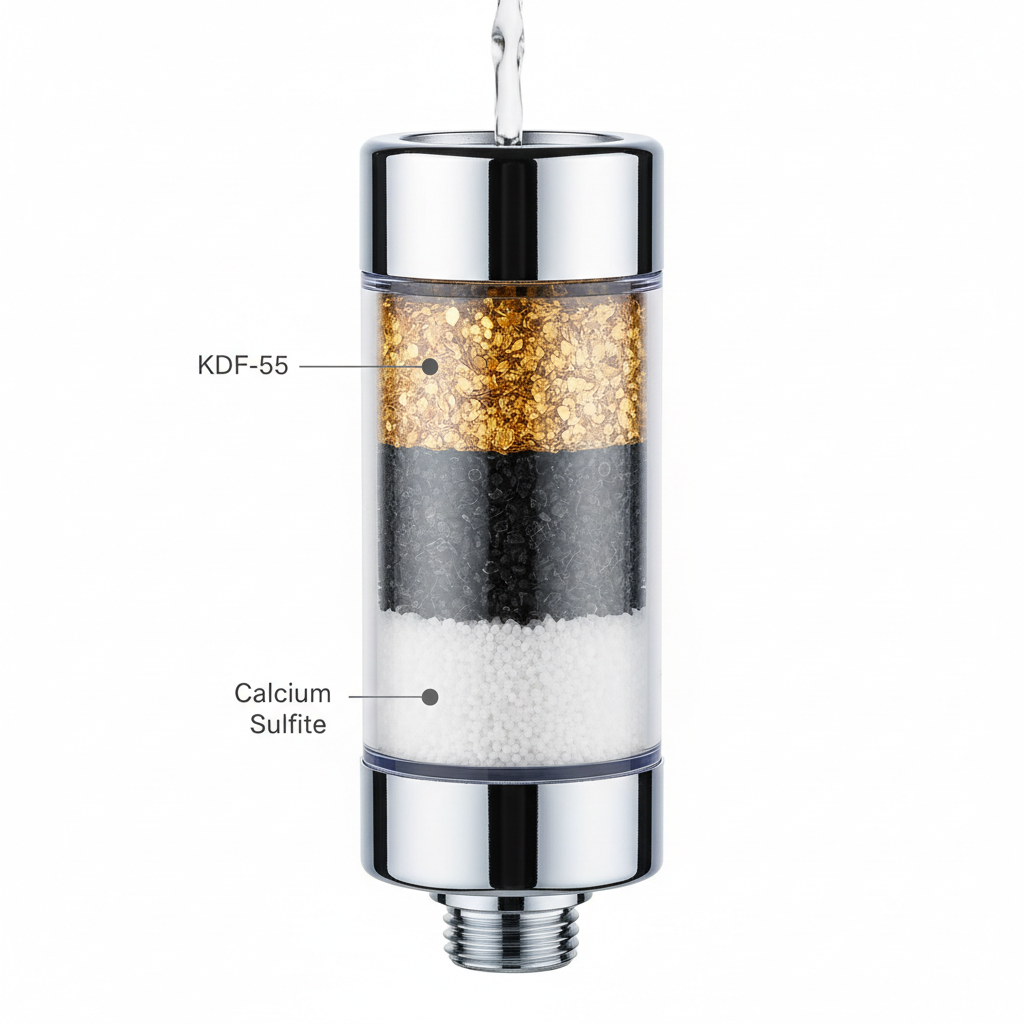
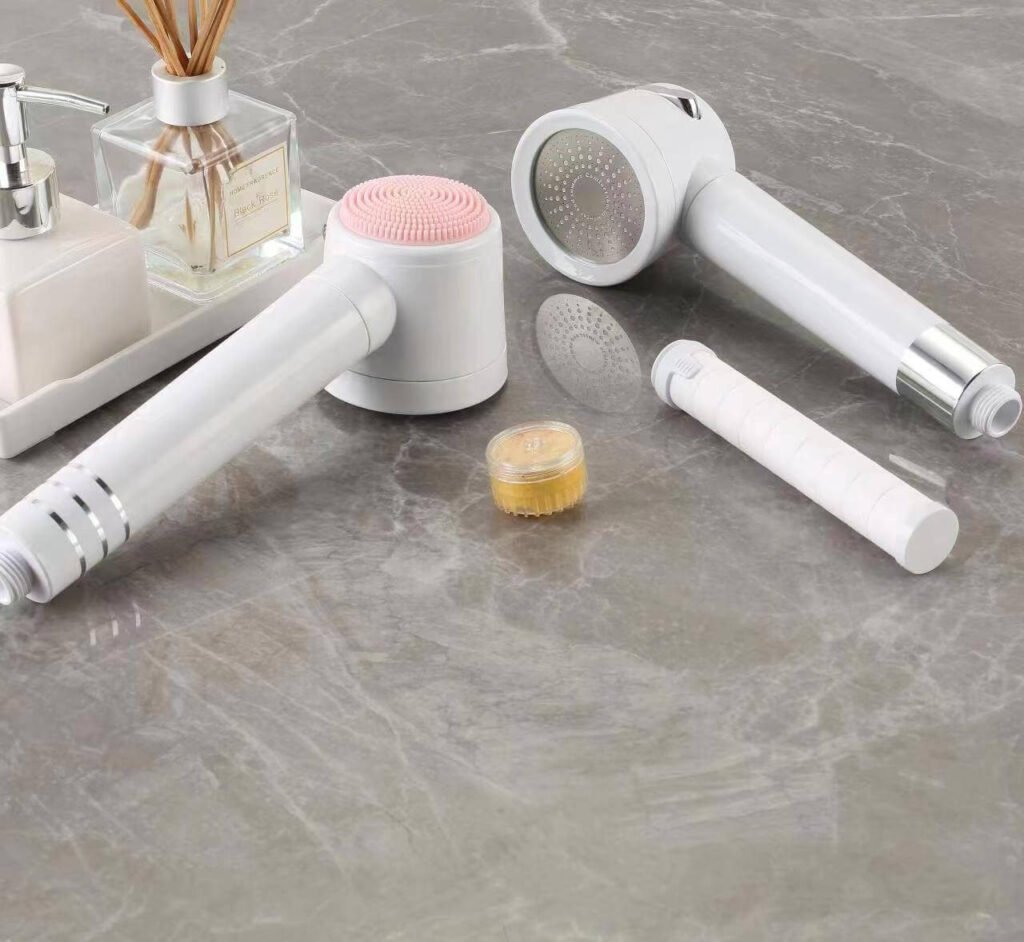
The internal mechanism of a modern shower filter relies on a combination of Kinetic Degradation Fluxion (KDF) media and activated carbon to treat water at high temperatures and flow rates. Unlike drinking water filters which work slowly, these units must process gallons per minute without reducing pressure. KDF-55, a high-purity copper-zinc formulation, creates an electrochemical reaction that exchanges electrons with contaminants. This is where it gets interesting: this reaction effectively changes the molecular structure of chlorine and heavy metals, rendering them inert and unable to bind to your body.
In addition to KDF, many advanced models from our product catalog incorporate calcium sulfite and activated carbon layers to broaden the filtration spectrum. Calcium sulfite is particularly effective at removing chlorine in hot water, where carbon alone might struggle. This multi-stage approach ensures that regardless of your shower temperature, the water remains consistently pure. The sediment mesh at the inlet and outlet further polishes the water by trapping rust flakes and large particulate matter that can clog showerheads.
KDF-55 media reaction
- Electrochemical process: Uses redox to neutralize chemicals.
- Bacteriostatic properties: Inhibits bacteria growth inside the filter.
- Heavy metal reduction: Binds to water-soluble lead and mercury.
| Component | Function | Target Contaminant | |
|---|---|---|---|
| KDF-55 | Redox Reaction | Chlorine, Heavy Metals | |
| Calcium Sulfite | Heat-Stable Removal | Chlorine (Hot Water) | |
| Activated Carbon | Adsorption | Odors, VOCs | |
| PP Cotton | Physical Barrier | Rust, Sediment |
3. Why do customers demand a shower filter for skin and hair?
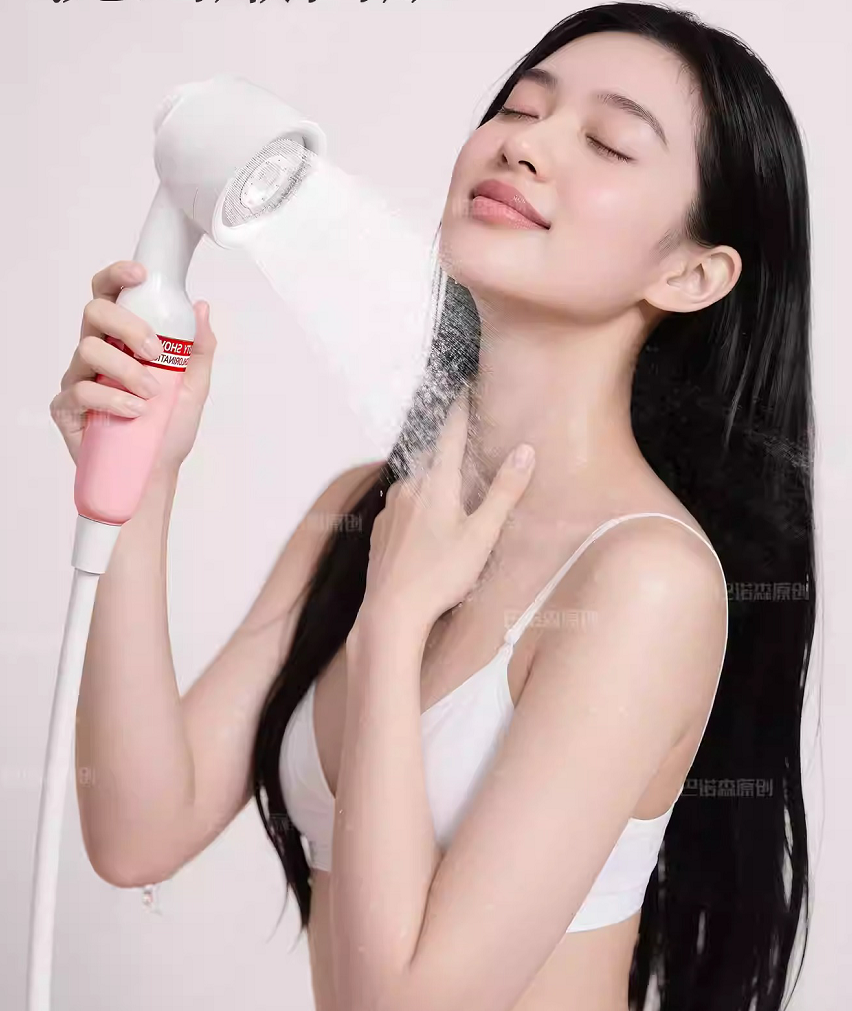
Consumers are increasingly turning to shower filter solutions because they directly address the root cause of chronic dryness and brittle hair that moisturizers alone cannot fix. When you wash with chlorinated water, the chemical oxidizes the proteins in your hair and skin, disrupting the natural moisture barrier. This leads to color-treated hair fading faster and becoming “brassy,” while skin becomes prone to eczema flare-ups and irritation. Ready for the good part? By simply removing the chlorine, you allow your body’s natural oils to do their job, resulting in softer skin and shinier hair without expensive salon treatments.
The beauty industry has long recognized that water quality is just as important as the products you use. Hard, chemical-laden water prevents shampoo from lathering correctly, forcing you to use more product and leaving a dull residue on hair strands. A high-quality filter acts as a “beauty hardware” upgrade, ensuring that the water is a clean canvas for your soaps and conditioners. This is why many dermatologists recommend filtration as a first step for patients struggling with sensitive skin conditions.
Combating dry, itchy skin
- Restores barrier function: Prevents chemical stripping of lipids.
- Reduces inflammation: Minimizes contact with irritants.
- Improves texture: Skin feels smoother immediately after drying.
| Benefit Category | Impact of Filtration | |
|---|---|---|
| Hair Color | Extends vibrancy, prevents brassiness | |
| Scalp Health | Reduces dandruff and itchiness | |
| Skin Moisture | Retains natural oils, reduces lotion need | |
| Product Usage | Improves lather, lowers consumption |
4. What contaminants do these shower filter units remove effectively?
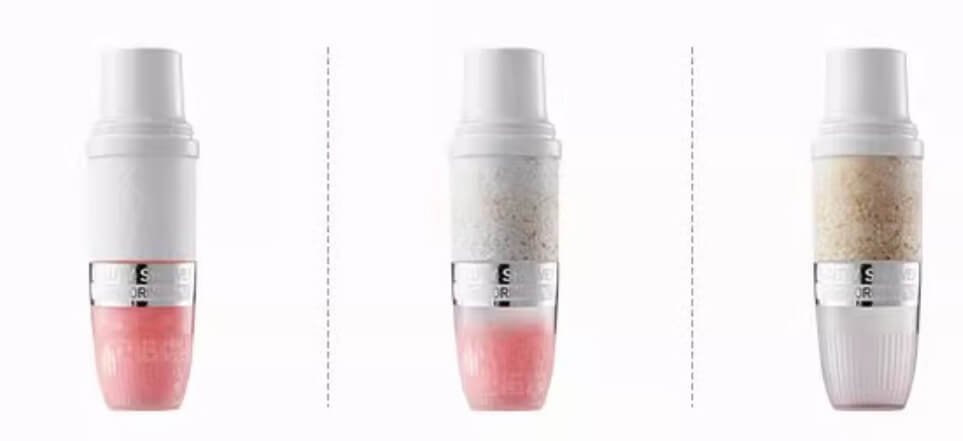
A robust shower filter is engineered to aggressively target the specific contaminants that are most harmful via inhalation and dermal absorption. The primary target is always free chlorine, which is universally present in municipal water supplies. However, advanced filters also tackle hydrogen sulfide (the “rotten egg” smell), iron oxides (rust), and traces of heavy metals like lead and mercury. What’s the real story? While they don’t remove everything—like dissolved minerals—they remove the “bad actors” that cause health and aesthetic issues.
For households with older plumbing, sediment and rust are major concerns that these filters address with physical mesh barriers. These particles not only irritate the skin but can also damage sensitive shower fixtures over time. It is important to note that while our handheld beauty filters are excellent at chemical neutralization, they are not designed to purify water to drinking standards (removing all bacteria or viruses), but rather to make it safe and pleasant for bathing.
Chlorine and chloramines
- Respiratory health: Reduces triggers for asthma and allergies.
- Odor elimination: Removes harsh chemical smells.
- Eye comfort: Prevents stinging red eyes during washing.
| Contaminant | Removal Efficiency | Health Benefit | |
|---|---|---|---|
| Free Chlorine | 90% – 99% | Prevents dryness & irritation | |
| Rust/Sediment | High (Physical) | Protects pores & fixtures | |
| Hydrogen Sulfide | Moderate | Eliminates bad odors | |
| Lead/Mercury | Moderate (KDF) | Reduces toxicity risk |
5. Can a shower filter soften hard water completely?
This is the most common misconception: a compact shower filter cannot technically “soften” water in the same way a massive salt-based ion exchange system does. True softening involves physically removing calcium and magnesium ions and replacing them with sodium, a process that requires a large resin tank and regeneration cycle. But here’s the kicker: while a shower filter doesn’t lower the Total Dissolved Solids (TDS) or remove minerals, it conditions the water to feel softer.
KDF media modifies the crystal structure of calcium carbonate, preventing it from forming stubborn scale on your skin and shower walls. So, while a water hardness test might still show “hard” water, the practical effects—like stickiness and lack of lather—are significantly reduced. It offers the sensation of soft water without the slime often associated with salt-based softeners, providing a middle-ground solution that satisfies most users’ needs for better texture and manageability.
Filtration vs. softening
- Chemical change vs. removal: Filters change structure; softeners remove mass.
- Space requirements: Filters fit on the head; softeners need a loop.
- Maintenance: Filters need cartridges; softeners need salt sacks.
| Feature | Shower Filter | Water Softener | |
|---|---|---|---|
| Lowers TDS? | No | No (Swaps ions) | |
| Removes Calcium? | No (Conditions it) | Yes | |
| Prevents Scale? | Moderate | High | |
| Cost | Low ($) | High ($$$) |
While not a substitute for a whole-home softener, a filter provides significant aesthetic improvements to hard water feel at a fraction of the cost.
6. How often should shower filter maintenance and replacement occur?

To maintain optimal protection, the shower filter cartridge must be replaced regularly, typically every 3 to 6 months depending on your household usage and local water quality. The filtration media works like a sponge; once it is saturated with contaminants, it can no longer adsorb new chemicals. You might be asking, how will I know it’s time? The most obvious signs are a return of the chlorine smell, a noticeable drop in water pressure as sediment clogs the mesh, or simply when you feel your skin becoming dry again.
Ignoring maintenance is the primary reason users feel filters “stop working.” Manufacturers rate cartridges by gallon capacity (e.g., 10,000 gallons), but time is often a better metric for busy families. We recommend marking your calendar or setting a phone reminder. For more tips on maintaining water quality in your home, check out our informative blog resources which cover everything from cartridge lifecycles to identifying saturation signs.
Typical cartridge lifespan
- Time-based: 3-6 months for average use.
- Volume-based: 10,000 – 15,000 gallons.
- Indicator: Reduced flow or return of odors.
| Usage Intensity | Replacement Frequency |
| Single Person | Every 6-8 Months |
| Couple | Every 4-6 Months |
| Family of 4 | Every 3-4 Months |
| Heavy Sediment | Every 2-3 Months |
7. Are shower filter products a cost-effective solution?

When you compare the price of a shower filter to the cost of high-end beauty products or medical treatments for skin conditions, the value proposition becomes undeniable. An initial unit often costs less than a single bottle of premium salon shampoo. Here is the bottom line: for pennies a day, you protect your body from chemical aggression. It is a preventative health measure that pays dividends in reduced spending on moisturizers, conditioners, and dermatological visits.
Furthermore, because these units are modular, you only replace the internal cartridge, not the chrome housing, keeping long-term costs low. This makes it an accessible luxury for renters and students who cannot invest in permanent home infrastructure. The “cost per shower” is virtually negligible, yet the upgrade to your daily quality of life is immediate and tangible.
Low entry price point
- Affordable hardware: accessible to all budgets.
- DIY savings: No plumber required for installation.
- Consumable economy: Cartridges are cheaper than new units.
8. How do shower filter models compare to whole-home systems?
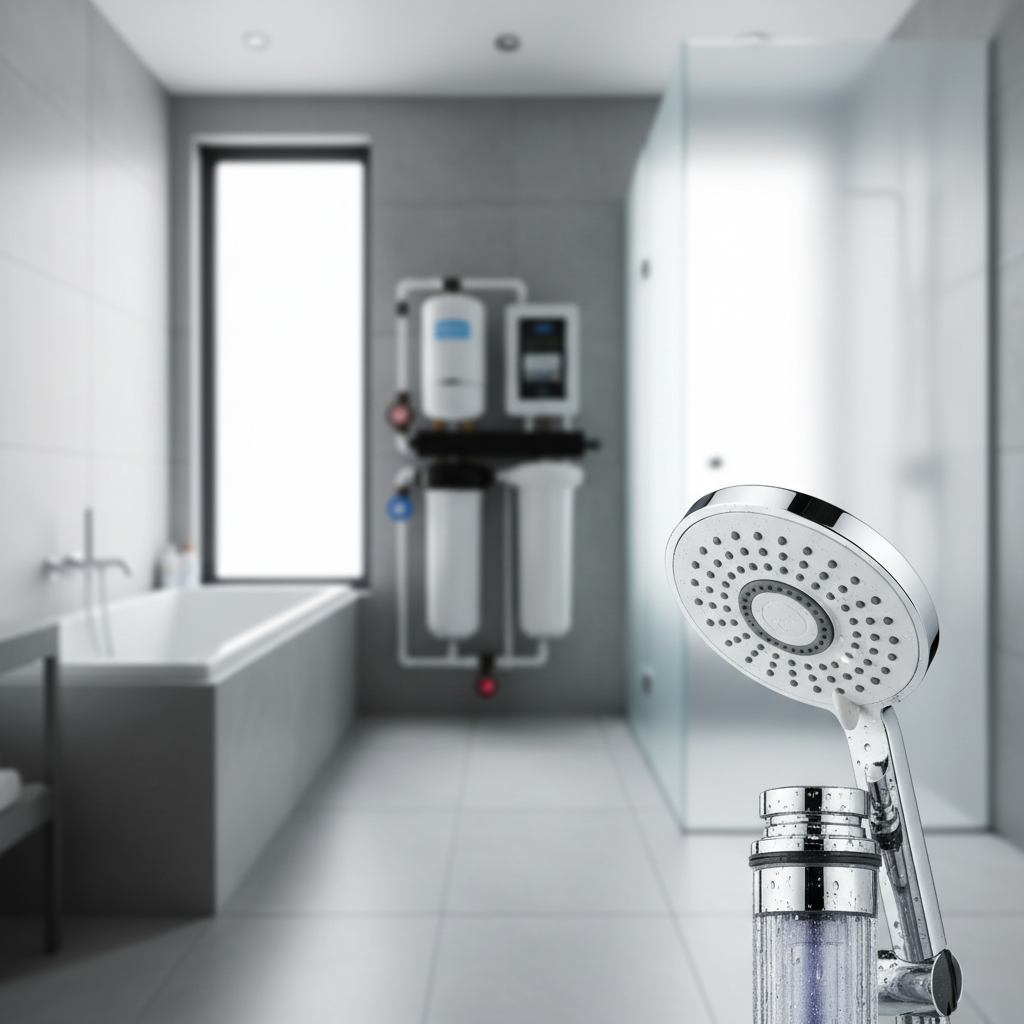
While a shower filter offers excellent point-of-use protection, it is fundamentally different from a whole-home filtration system. A whole-home system treats water at the entry point, ensuring every tap, toilet, and appliance receives clean water. This brings up a key point: shower filters are tactical solutions for specific problems (bathing), while whole-home systems are strategic solutions for infrastructure protection. However, whole-home systems require thousands of dollars and professional installation.
For many, the shower filter is the perfect middle ground or a complementary add-on. Even with a whole-home system, a shower filter can act as a final “polishing” stage, ensuring that any contaminants picked up in the home’s internal piping are removed before they touch you. If you are considering a more comprehensive solution, our pre-filter systems offer a robust entry into whole-home protection without the complexity of massive tanks.
Point-of-use focus
- Targeted treatment: Focuses solely on bathing water.
- Portability: Can move with you to a new home.
- No pressure loss: minimal impact compared to whole-house loops.
| Feature | Shower Filter | Whole-Home System | |
|---|---|---|---|
| Scope | Single Showerhead | Entire House | |
| Installation | DIY (5 mins) | Professional (1 day) | |
| Media Volume | Small (<1 lb) | Large (20+ lbs) | |
| Portability | High | None |
Shower filters are the superior choice for renters and targeted wellness, while whole-home systems serve homeowners prioritizing infrastructure longevity.
9. Is shower filter installation complex for the average user?
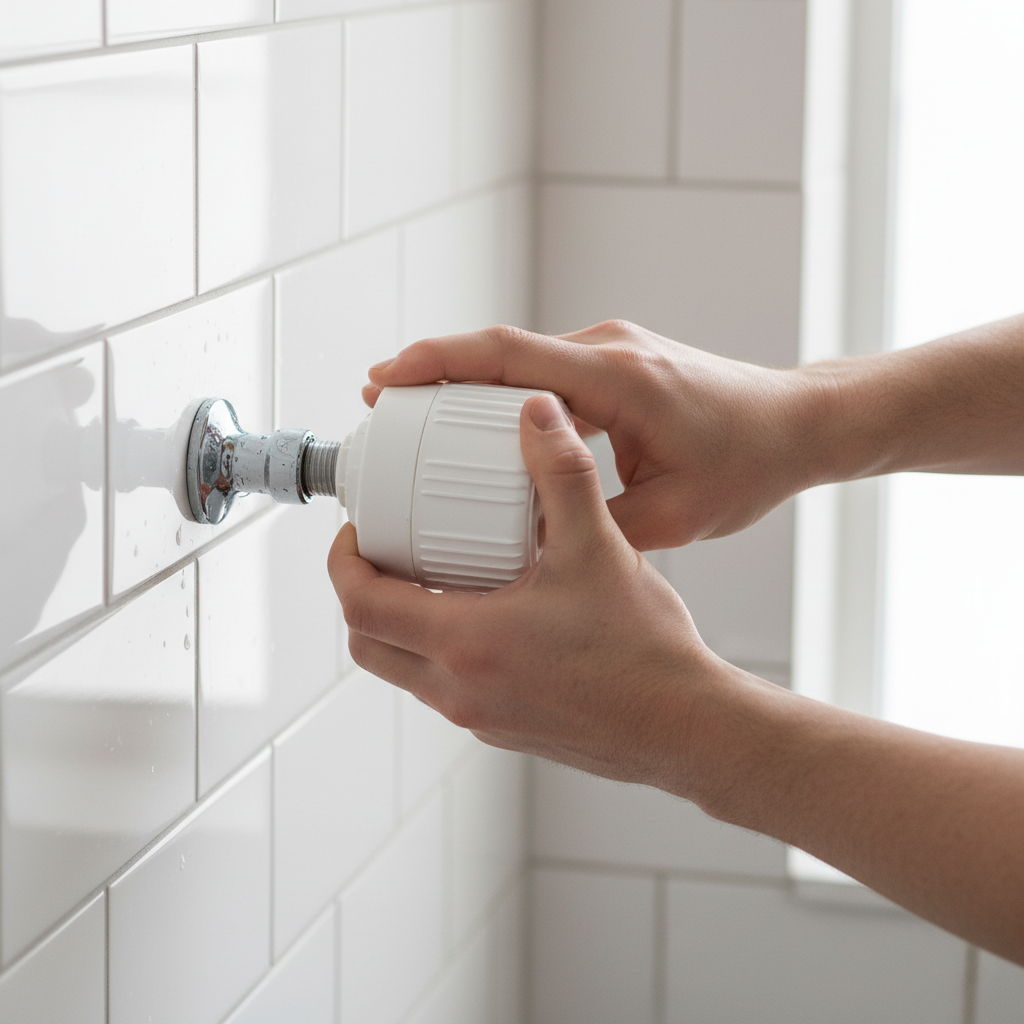
One of the greatest advantages of the modern shower filter is its universal ease of installation. Designed with standard 1/2-inch NPT threads, these devices fit virtually every shower arm in North America and Europe. Wait, it gets better: you do not need a toolbox or a plumber. The process is entirely tool-free, usually requiring just a firm hand-tightening to secure the unit between the pipe and your existing showerhead.
Manufacturers include everything you need in the box, typically Teflon tape to prevent leaks and rubber washers for a snug seal. The entire process takes less than ten minutes. Whether you have a fixed wall-mount head, a handheld wand, or a rain shower, the inline design adapts seamlessly. This “plug-and-play” nature removes the barrier to entry, allowing anyone to upgrade their bathroom instantly.
Universal thread compatibility
- Standardized fit: Works with 99% of residential plumbing.
- No cutting: Non-destructive installation.
- Immediate use: Flush for a minute and go.
| Step | Complexity | Time Required | |
|---|---|---|---|
| Remove Old Head | Low | 1-2 Minutes | |
| Apply Tape | Low | 1 Minute | |
| Attach Filter | Low | 1 Minute | |
| Reattach Head | Low | 1 Minute |
The barrier to entry is effectively zero, making this one of the most accessible home improvement projects available.
10. Why should retailers invest in shower filter inventory?

For retailers, the shower filter category represents a high-growth opportunity at the intersection of the wellness and home improvement markets. Consumers are more health-conscious than ever, driving demand for “beauty from within” products that extend to water quality. What is the takeaway? These products offer a lucrative recurring revenue model. Unlike a faucet that is bought once a decade, filters require ongoing cartridge replacements, bringing customers back to your store repeatedly.
Furthermore, the B2B potential for customization is vast. Businesses can leverage OEM partnership opportunities to create private-label brands that build customer loyalty. With compact packaging and high profit margins, shower filters maximize shelf efficiency. They are the perfect cross-sell item for bath shops, beauty supply stores, and hardware retailers looking to increase basket size.
Growing health awareness
- Trend alignment: Fits clean beauty and wellness trends.
- High turnover: Consumable nature drives traffic.
- Brand loyalty: Quality filtration builds trust.
| Retail Metric | Shower Filter Category | |
|---|---|---|
| Customer LTV | High (Recurring Cartridges) | |
| Shelf Space | Low (Compact Packaging) | |
| Market Trend | Growing (+15% YoY) | |
| Return Rate | Low (Simple Function) |
Analysis: The combination of wellness trending and recurring consumable revenue makes this a strategic inventory staple for modern retailers.
Conclusion
Upgrading your bathroom with a shower filter is more than just a home improvement; it is an investment in your daily well-being. By effectively neutralizing chlorine and filtering out irritants, these devices transform harsh municipal water into a restorative spa-like experience. They bridge the gap between basic hygiene and advanced skincare, offering a cost-effective solution that protects your hair, skin, and respiratory health without requiring major plumbing renovations.
Here is the main takeaway: You do not have to settle for dry skin or chemical odors. Whether you are a homeowner seeking a healthier lifestyle or a retailer looking for the next bestseller, the answer is clear. Take control of your water quality today and contact us today to explore how our specialized filtration solutions can meet your needs.
FAQ
Q1: What is the primary benefit of installing a shower filter?
A shower filter primarily reduces exposure to harmful free chlorine and synthetic chemicals that cause skin irritation and hair damage. By neutralizing these contaminants, it helps retain natural moisture in your skin and hair, leading to a healthier appearance and reduced reliance on heavy moisturizing products.
Q2: How does a shower filter differ from a water softener?
A shower filter uses redox reactions (KDF) and carbon to chemically neutralize contaminants like chlorine and odors. A water softener uses ion exchange to physically remove calcium and magnesium minerals. A filter conditions water to feel better but does not technically lower hardness levels.
Q3: Can a shower filter remove bacteria from the water?
Most standard shower filters are bacteriostatic, meaning they inhibit the growth of bacteria inside the filter media itself, but they are not purifiers designed to kill pathogens in the incoming water supply. They should always be used with microbiologically safe, treated municipal water.
Q4: Will a shower filter reduce my water pressure?
High-quality shower filters are engineered to maintain adequate flow rates (usually 2.5 GPM) for a satisfying shower. A noticeable drop in pressure typically indicates that the cartridge is clogged with sediment and needs to be replaced immediately.
Q5: How do I know when to change the filter cartridge?
You should replace the cartridge every 3 to 6 months, or after approximately 10,000 gallons of use. Clear signs include a return of the chlorine smell, a drop in water pressure, or if the water begins to feel “hard” and drying on your skin again.